
When you create an event for your friends or family, the most important aspect is normally the food. Everything else often gets dismissed.
This means so many gatherings have a delicious entree of food to enjoy, but when your guest asks for a drink their immersion is shattered.
A simple collection of water, juice, or coffee will turn your evening from sophisticated to half-baked.
There is an easy solution to help avoid this disaster – think ahead and purposefully create an accompanying drink.
After reading OrganicVintners articles, we saw just how important a beverage is to the mood of your events. We decided to take on their teaching and expand our own knowledge at the same time.
Our collaboration went so well that we have an announcement to make. We’re super excited to announce that we have acquired OrganicVintners as part of our team.
If you’re a reader from OrganicVintners, we welcome you with open arms! We hope you enjoy our drink-based articles and even branch out into our snacks, desserts, and dinners!
Today, we hope to show you what we’ve learned. You can scroll through our article and find the perfect drink for your event.
We have separated them into seasons, to help you in your search.
Drinks For Winter
The classic winter drinks you can create are the humble hot chocolate and the festive eggnog. But there is so much more that winter has to offer.
Create the perfect cozy atmosphere with one of the beverages below.
Canelazo
Canelazos are a warming drink that you would expect on a cold night in South America. They’re made from brown sugar, cloves, cinnamon, orange, and lime juice.
This combination alone creates a festive atmosphere, perfect for a winter drink.
You can have it with or with alcohol, the best accompaniment is rum. The flavor in this spirit enhances the depth of the canelazo flavor.
Carajillo
Carajillo is a South American drink that mixes the sophisticated taste of coffee with the warming flavors of an alcoholic beverage.
You can expect to see these drinks all year round in countries such as Cuba and Colombia, but we think these coffees are perfect for the winter.
You may see these drinks simply labeled as Mexican coffee cocktails, but the real name is carajillo.
There are many different ways to enjoy a Carajillo, so take a look at our 25 different recipes to help you decide.
Cola De Mono
Just like most of the drinks in our winter collection, the Cola de Mono has the same festive flavors.
However, unlike the majority of these drinks, the main taste isn’t cinnamon. Instead, you can expect nutmeg, coffee, and vanilla extract to burst through every sip.
There are quite a few steps to get the consistency right, and you also need to heat up some of the ingredients to create the right balance of flavors.
You can follow the recipe in our list of 25 amazing South American cocktails, to help make this challenging creation easier.
New Age Wines
New-age wines are full-bodied, have a higher alcohol percentage, and have a lower acidity taste.
The “old” and “new” titles aren’t based on how long it was aged for, but instead on where the grapes and winemaking process were created.
Old-world regions are the Middle East, North Africa, and Europe. This means French, Italian, and Spanish wines are all old-world.
New-world wines are made in all other locations, which means North American wine is considered new-world.
The different climates of the new and old worlds make the wines taste different from each other.
The grapes grown in hotter climates (such as new-world regions) are more likely to develop faster, creating a full-bodied flavor and a higher alcoholic rating.
However, as climate change makes these colder climates hotter, you can sometimes see old-world wines with higher percentages.
The reason that new-age wines are perfect for the winter, is simply due to that full body flavor.
Rompope
Rompope is a drink you would find in South America. It is very similar to eggnog, however, this version is made with only egg yolk and almonds.
The almond flavoring creates a hint of nuttiness, to really tap into the festive flavors.
Although the recipe is rather simple, it creates a lot of space for adaptation. We have found 25 different re-creations of this Mexican delight, so you can pick one that best suits your taste buds.
Different Drinks For Every Season
There are so many amazing drinks you can have in the summer. Many of us become so overwhelmed by the variety of flavors, that we forget what we can pick, and end up choosing the same drinks.
Today we get out of that rut and explore the vast flavors to dive into.
Caipirinha
Caipirinhas are a South American cocktail made from lime, sugar, and cachaça. Cachaça is a distilled spirit made from sugarcane and it has an almost grassy flavor.
Mixing the ingredients together creates a refreshing beverage that is simple to create.
Mango-A-Go-Go
With a name like Mango-A-Go-Go, you can already tell what the main ingredient is. That’s right, the refreshing mango.
This drink can be created as a smoothie or blended into juice. Either way, you’ll be using mangos, pineapples, pears, grapes, and sherbet to create the delicious flavors.
It was first showcased by Jamba Juice in 1990, and since then we have been recreating this smoothie to really enhance the flavors.
You can use one of our 8 recipes to create the Mango-A-Go-Go that suits your family.
Mangonada
Mangonada is a Mexican drink that mixes together frozen mango with other bold flavors. You can often find apricots, plums, and even chili or salt in these beverages.
You end up with a spicy and refreshingly sweet drink that is perfect for cocktails and mocktails.
The sign of a perfect Mangonada is the ridged colors of red and yellow separated in segmented lines.
This drink is perfect for adult parties where you want to showcase your cocktails on a hot summer’s day.
Margarita
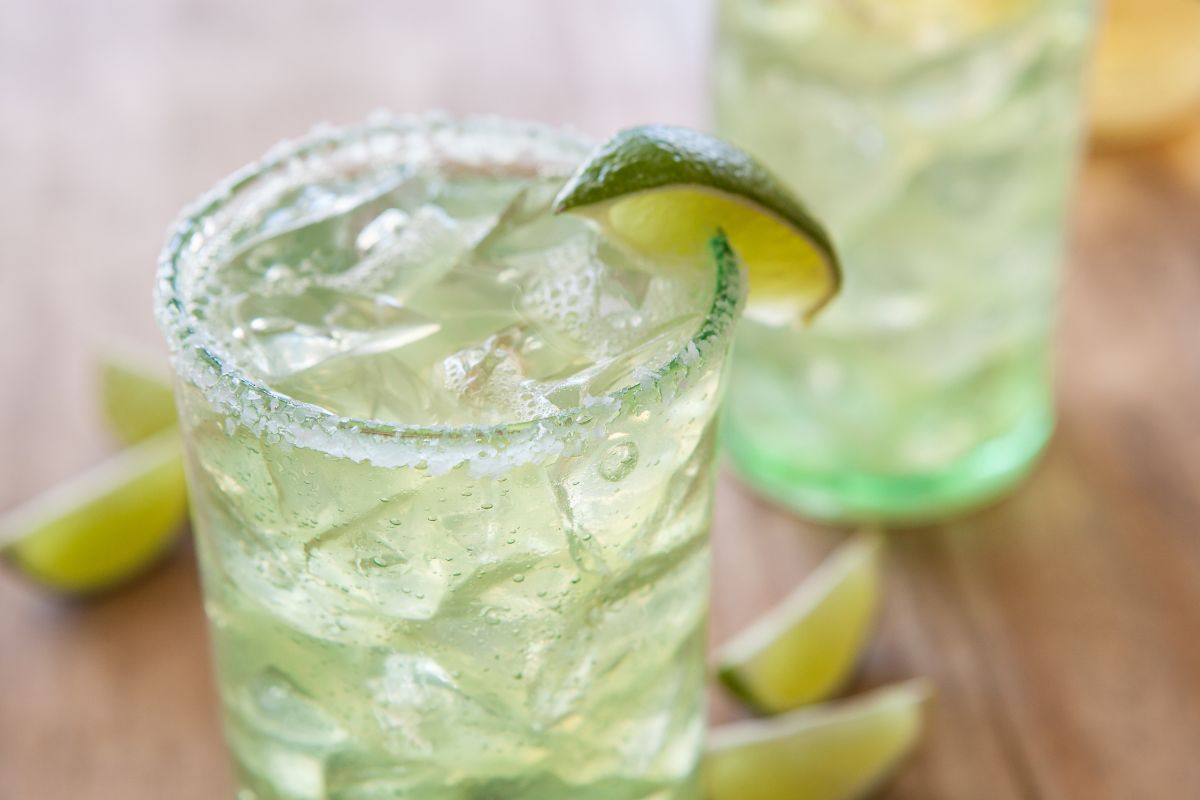
A margarita is always a showstopper. The iconic drink is made up of tequila, lime juice, and orange liquor. However many people have opted for a low-calorie version called a skinny margarita.
The skinny version replaces the orange liqueur for orange juice. The flavor is more intense and contains fewer calories.
To make a Texas margarita, you should specifically use a triple sec. This is an orange flavored liqueur that comes from France.
It is very popular in long island ice teas, but the Texans made it their star ingredient for a margarita.
This stops the drink from developing its iconic lime flavor and instead uses orange as its main taste.
Some people prefer their margarita crystal clear, which means focusing less on the additional ingredients and more on their top-shelf tequila.
Focusing on the spirit instead of the other ingredients will help you create a richer flavor with undertones of citrus.
A relatively new version of the margarita is called Opuntia. It uses prickly pears to create a sweet flavor that almost matches a melon or Kiwi.
However as the pear comes from a cactus fruit plant it also has a hidden extra flavor – bubblegum.
Your margarita ends up being a bright pink color with an infusion of flavors that are perfect for a summer’s day.
So many people enjoy margaritas that a chain restaurant was created to showcase the legendary beverage. It’s called Margaritaville and has over 30 locations in the US.
If you click on the link, you’ll find 25 of their delicious drinks with recipes to help you recreate them at home.
However you choose to prepare your margarita, you’ll expect the sharp citrus to cut through the powerful tequila flavors for a refreshing and sharp drink.
Mexican Mule
Have you heard of the Moscow Mule? A Moscow Mule is a simple and classic American drink that uses vodka, lime juice, and ginger beer – that’s it.
Although the name uses a Russian city, the drink originated in America. The use of “Moscow” was in relation to vodka.
A Mexican Mule is just as simple but uses different ingredients. Instead of the Russian classic vodka, you need the Mexican classic tequila to create this mule.
As with the Moscow Mule, the main ingredients are very simple. This means you have a lot of room to experiment and see if new flavor combinations can create an even tastier beverage.
Check out our 20 amazing Mexican Mule recipes to see how we have shaken up this summertime drink.
Papaya Juice
Stepping away from the alcoholic beverages, we think it’s time to showcase the humble papaya fruit.
Technically papaya is a type of berry, and if you look into the health science studies around this fruit, you’ll find positive associations with reducing acne, improving digestive systems, and relieving pain.
From a flavor point of view, papaya juice tastes just like the fruit itself.
If you’ve never had papaya, you can expect a cantaloupe melon flavor or something similar to a mango. It’s not overpowering, and can easily be iced and crushed to create a cooling smoothie.
Strawberry Limeade
Strawberry limeades are the perfect way to cool down and freshen up, during the summer sun. These pink drinks are a mocktail of sorts, as they don’t require any alcohol to enjoy.
All you need is limes, strawberries, sugar, water, and a blender.
If you want to make this drink a little more adventurous, you can easily mix in clear gin or vodka. This is because the strawberry and lime can easily cover the vodka taste without ruining the balance of flavors.
Tequila Sunset
A tequila sunset gets its name from its main ingredient and the beautiful gradient of colors that create the striking refreshment.
You know if you’ve made the drink correctly, as the bottom will be a rich red, and the top will be bright orange.
To create the gradient all you need is orange juice, grenadine, tequila, and some ice.
There are lots of ways to make your tequila sunset “pop” as you serve it to your friends. We have 16 recipes to help you create the perfect visual for your party.
Tinto De Verano
You can easily compare tinto de verano to sangria. The name literally means “summer wine”, and it’s made out of red wine, lemon soda, lemon slices, orange slices, and some ice cubes.
It isn’t a difficult drink to create, and you can even turn it into a mocktail by replacing the red wine with grape juice.
The best wine to use in this drink is a young and fruity red. We would not recommend using a fancy red wine or an aged wine, as the delicate flavors will be missed in the punch-like mixture.
That being said, you don’t want vinegary wine either, as you can easily drink too many tinto de verano, and cheap wine can give you a hangover.
Drinks For Fall
When fall comes around, many people become unsure of what to drink. Should they start serving winter drinks to their guests, or continue with their summertime refreshments?
We say don’t do either. Instead, unlock the myriad of fall-based drinks that we have here for you.
Café Con Leche
Café con leche literally means “coffee with milk” in Spanish. It is very similar to a cortado, which we will explain in more detail below, but there’s more milk in this creation.
Because of the scalding method to heat the milk, you end up with a rich and silky texture to drink your coffee with.
Cortado
Technically, you could have a cortado at any point in the year, but we think it feels the most at home in the fall. This coffee drink is created using an espresso shot and warm milk.
Unlike a cappuccino or a latte, the milk is steamed to prevent frothing. Instead, you could compare a cortado to a flat white, which has a flat and dense silky texture.
Because a cortado has an espresso to milk ratio of roughly 1:1, it is stronger than a flat white. You can read all about the correct way to create a cortado here.
Pisco Sour Cocktail
As the name suggests, this cocktail is sour. A pisco sour cocktail is made from brandy, egg whites, bitters, and lime.
This creates a tart and sweet flavor that is both refreshing and warming – perfect for a fall evening.
The name “pisco” is in reference to the main brand that most people use when creating this cocktail, but in reality, any brandy will do.
Strawberry And Rhubarb Wine
Rhubarb is a perfect fall vegetable as it has the depth and warmth still needed on the colder days while creating a sharp kick that refreshes you ready for the sun.
Mix that flavor with the sweetness of strawberries, and this wine will be suited for unexpectedly warm days too.
Strawberry and rhubarb beverages are perfect for this season, so check out our 25 recipes to change up the decoration of your new favorite fall drink.
Drinks For Spring
Spring drinks need to be both refreshing and warming. This way you can still feel cool in the sun but can warm you up when the chilling wind breezes along.
Chilean Chardonnay
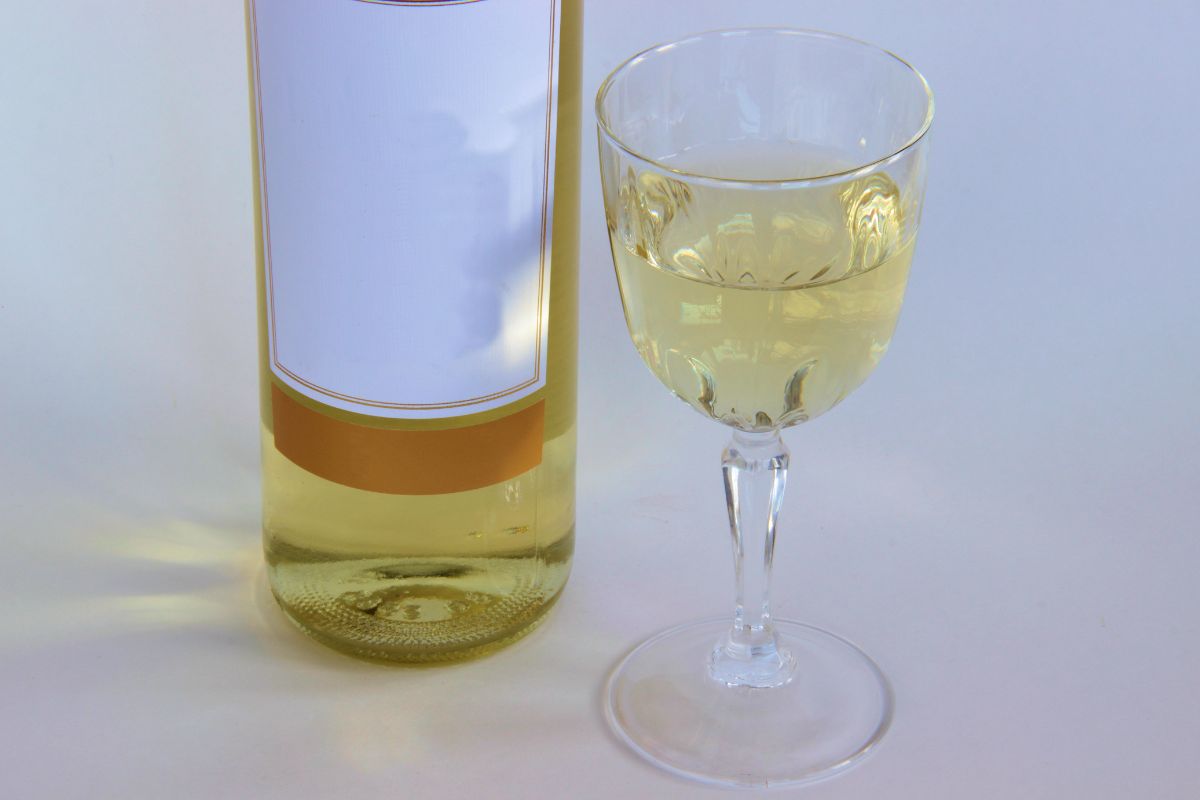
Chardonnay generally tastes like mango, pineapple, or papaya. Whichever chardonnay you choose, the flavors can be rich and light.
This makes them perfect for a cool spring evening, as they give you a refreshing flavor while still warming you.
Chilean chardonnay is a little more acidic, and the tropical fruit flavors are even more pronounced. The additional acid creates a full-bodied effect for an enriching experience.
Cupid’s Cup
Cupid’s Cup is a sour drink made of pisco, Aperol, lemon juice, egg whites, and mint leaves. It has a beautiful orange color that doesn’t quite match the flavor.
But this juxtaposition creates a perfect blend of refreshing mint and bright color that works in a complementary style for a spring beverage.
Lavender Lemon Pisco Cocktail
The lavender flavors of this lemon pisco cocktail create an earthy and serene flavor that creates an image of spring meadows.
To create the flavors all you need is pisco sour, water, sugar, and lavender flowers.
The lavender both creates the earthy flavor and a beautiful garnish to produce a cottagecore aesthetic.
Michelada
Simply put, a Michelada (also known as a chelada) is a Mexican beer made of lime juice, red sauces (which vary depending on the flavor you’re after), spices, and chili peppers.
The baseline of the drink is Mexican beer, but depending on how refreshing or spicy you want the beverage to be, you can play around with the other ingredients to create the perfect spring drink.
Mojito
The mojito is a Cuban classic that screams “spring” due to its main ingredients – lime and mint.
These flavors are the perfect “lift me up” combination that keeps you feeling clear and light – perfect for a spring evening.
Normally a mojito is created using white rum to really reach that warming flavor, but you can also use vodka or gin. Vodka mojitos keep the taste crisp and allow you to focus on the lime and mint.
Tequila Rose
A tequila rose is when you mix tequila with a strawberry and cream liqueur. The mixture creates an almost Spring British flavor as if you were going to Wimbledon.
The sweet flavor is perfect for a midday drink in the sun, and the pink drink is so tasty you can easily overindulge.
Uruguayan White White
Although most Uruguayan white wines are Chardonnay and Sauvignon Black, there has been a rise in a new type of wine in the area – Albariño.
This wine is lighter than other white wines, which makes it perfect for white fish meals and other light meats. It also creates a refreshing taste that pairs well with springtime weather.
What To Serve With Your Drinks
With you serving your drinks, your party guests will likely need a snack or two as they sip away at your lovely creation.
All of these snacks will work well no matter the season, however, you should consider how the flavors will clash or marry up with your beverage’s flavors.
Chips
An easy side to serve with your beverage is a humble salted chip. These will go with any drink you are serving, without becoming the main event.
You can even add a dip for your chips such as guacamole. This can help your friends stay well fed as they drink, so they don’t accidentally become intoxicated during your event.
Guacamole is a great choice in particular, as avocado is a fatty protein, which will help keep your guests full.
The flavors of guacamole pair particularly well with summertime drinks, as the minty flavor and smooth textures match a minty or refreshing beverage.
If you were hoping for a winter-friendly chip dip, you could opt for a chutney.
The spices in chutney could pair wonderfully with the cinnamon, almond, or nutmeg flavors of a winter beverage without taking away from the main event.
For fall drinks, we suggest an apricot chutney, as the flavors stay sweet and light while also creating a deep undertone. This mixture fits perfectly with the autumnal atmosphere of our fall drinks.
Chocolate
If you’re serving your drinks on a cold winter’s night, a delicious treat you can share is a plate of chocolate.
Not just any chocolate either, but a rich and creaming delight that would pair wonderfully with a hot drink or a warming wine.
If you aren’t sure which chocolate to choose, we suggest Chilean chocolates. They are rich and full of flavor, which is perfect for your evening of decadence.
In this article, we have listed 16 of the best Chilean chocolates to help you find a good brand and accompanied with a description.
This way you can figure out which brands best fit your beverage.
Mexican Chicharrones
We have all heard of pork scratching – the air-dried and deep-fat fried pork skin you’d find at a sports bar.
Well, you can make the same flavor at home, but instead of biting into something salty, you can create a light and crispy snack instead.
Chicharrones are less greasy, less fatty, and all around lighter than their pork scratching counterparts. They work very well with beers, wines, and other traditional beverages.

Nachos
Nachos are very similar to chips, however, they are easier to load with different flavors. Where a chip and dip platter can be rather sophisticated, loaded nachos created a more communal vibe.
A classic way to “load” your nachos is to add cheese and bake until it melts. Although this method is delicious, it will only mix well with some of the cocktails on our list.
Shrimp nachos create a tasting plate that pairs well with both light summery cocktails and white wines.
Add on some guacamole, sour cream, and salsa and your delicate side will be loaded with refreshing goodness.
Fries
Fries are an easy snack to add to your plate. You can leave them as they are, shake on some paprika or lay out some dips for guests to add on their own flavors.
They will pair well with any beverage and will keep your guest full while they enjoy their wine or cocktails.
To make your fries a little more exciting, you could create papas fritas instead. Papas fritas are the Spanish version of fried potato.
They can be created in a thick cube, or as a classic slender stick. Either way, they are made from scratch and seasoned with oil, salt, and pepper.
You can follow one of our 17 recipes which shows the different flavors to create your papas fritas with.
Takis
You could argue that a side of Takis could easily be placed under the “chips” subheading, or perhaps under “nachos”. We had the same thought.
But because we couldn’t decide where to put our curly friends, we thought they should have a whole subheading to themselves – and they deserve it.
If you didn’t already know, Takis are corn tortilla chips that are both spicy and sour. As they bake, they curl into a tube, creating a fun crispy texture to bite into.
You can use the same ingredients to load your Takis, as you could with nachos. However, the sour and spicy flavors need to be remembered before you start throwing on ingredients.
We recommend adding sour cream, salsa, and guacamole to your Takis and keeping cheese far away.
This way you can continue to enjoy the sour flavors that could pair perfectly with any sour drinks.
Tuna Dip
You may not expect a tuna dip to be a good side for a beverage, but on a platter of cheese, grapes, olives, and pâté, you can add this dip to your wine-themed evening.
You can follow one of our 25 tuna dip recipes, to find that ingredient that pairs well with your wine of choice.
We wouldn’t recommend this appetizer with any light beverages such as a cocktail or a white wine, instead, you should indulge with red wines and rich flavored drinks.
Summary
Whenever you have guests and are expecting a relaxing or sophisticated evening, you should remember to prepare the perfect beverage.
Different drinks work best for different seasons. Knowing what will go with your event can help create a succinct evening.
The best winter drinks can be as simple as a deep red wine, or as complex as a cinnamon or nutmeg-based cocktail.
The best summer drinks are refreshing, with a touch of fruitiness or a cleansing minty flavor.
Fall drinks often contain the same cinnamon flavors of winter but with a spiciness that fits the changing season.
And spring drinks are often refreshing, like summer, but with a kick that can warm you through the cool breezy evening.
Creating these drinks can make your events feel more sophisticated, thought-through, and special. You can even go one step further, and present them with a well-paired snack too.
Thinking about flavors and seasons can make your events feel well suited for the temperature and atmosphere.